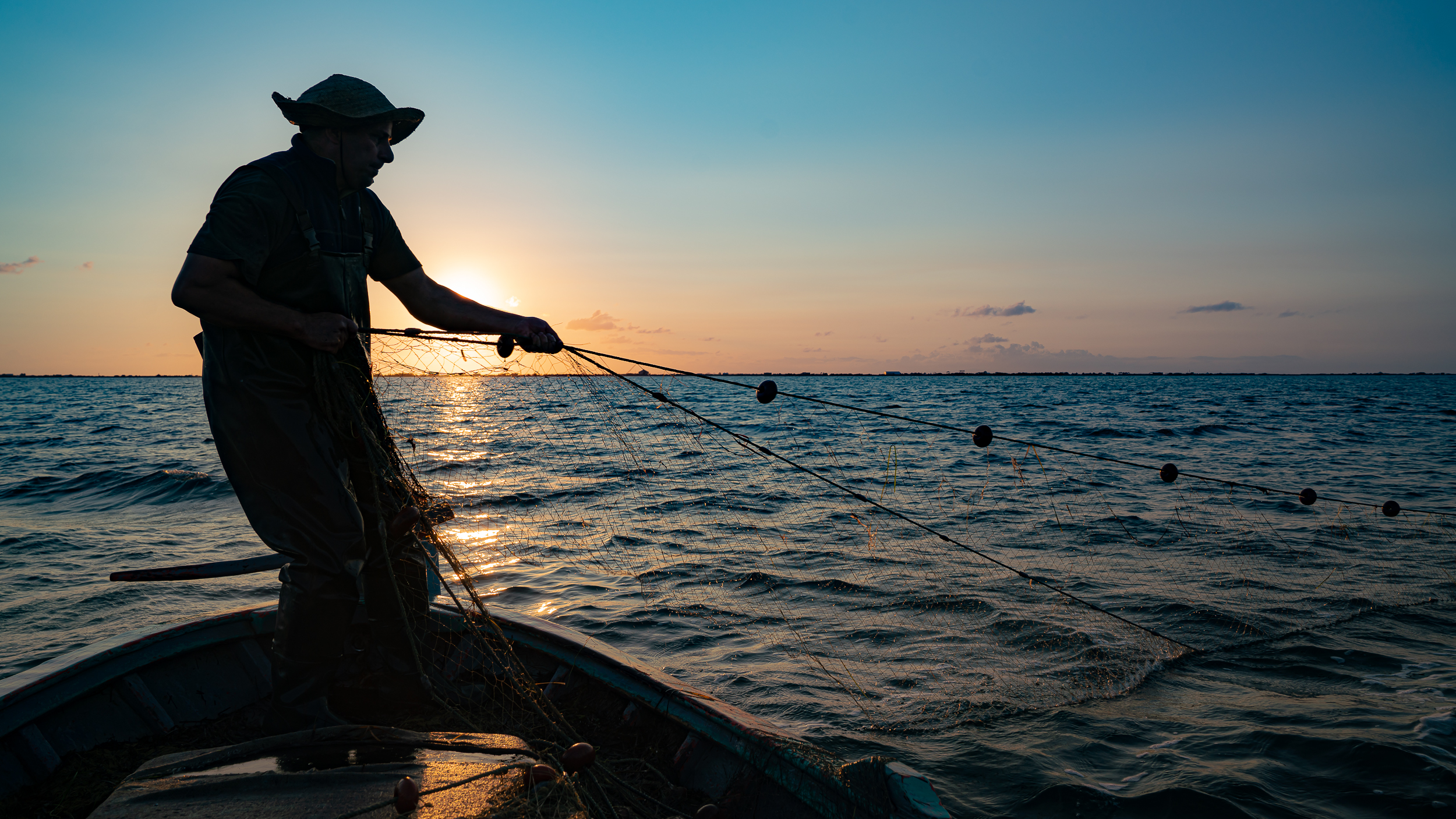
Reducing plastic leakage from touristic and fisheries ports into the Mediterranean Sea –
protecting vulnerable coastal habitats and benefiting coastal communities.
The Mediterranean Sea — from Plastic Hotspot to Driver of Solutions
The Mediterranean is a semi-enclosed sea — plastic waste entering its waters accumulates within the basin, threatening marine wildlife and ecosystems, as well as the livelihoods of coastal communities.



What is a Plastic Smart Port?
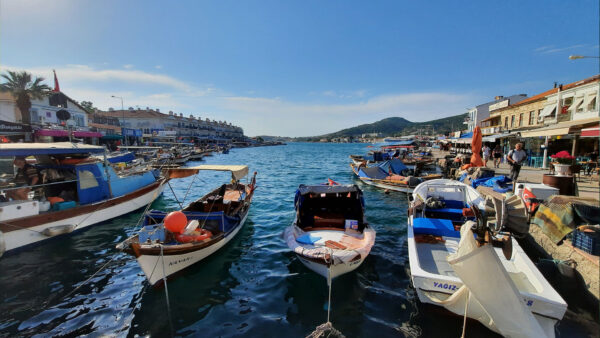
A Plastic Smart Port is a harbour that implements responsible plastic waste management and adopts plastic reduction measures to prevent pollution at the source.
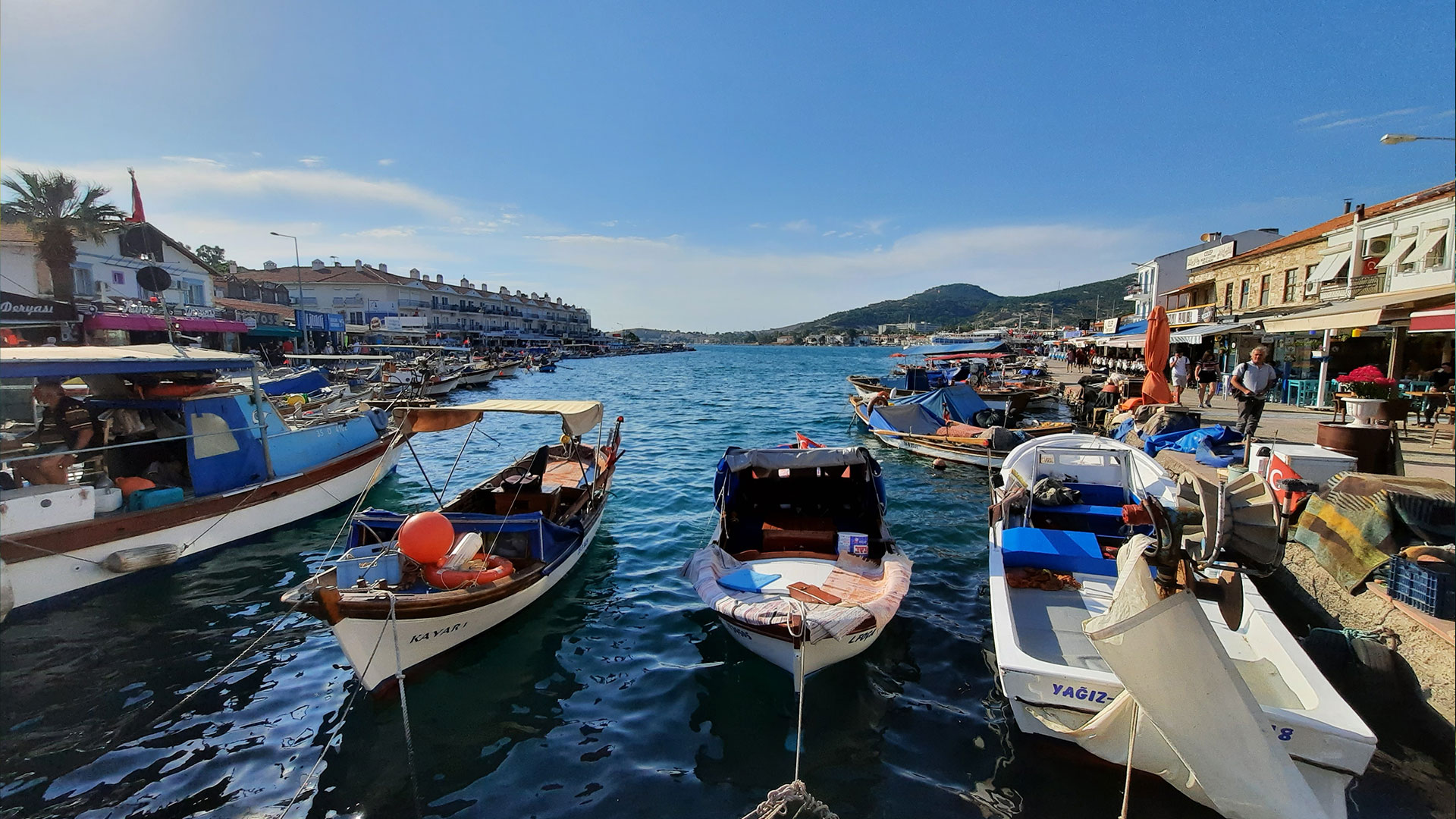
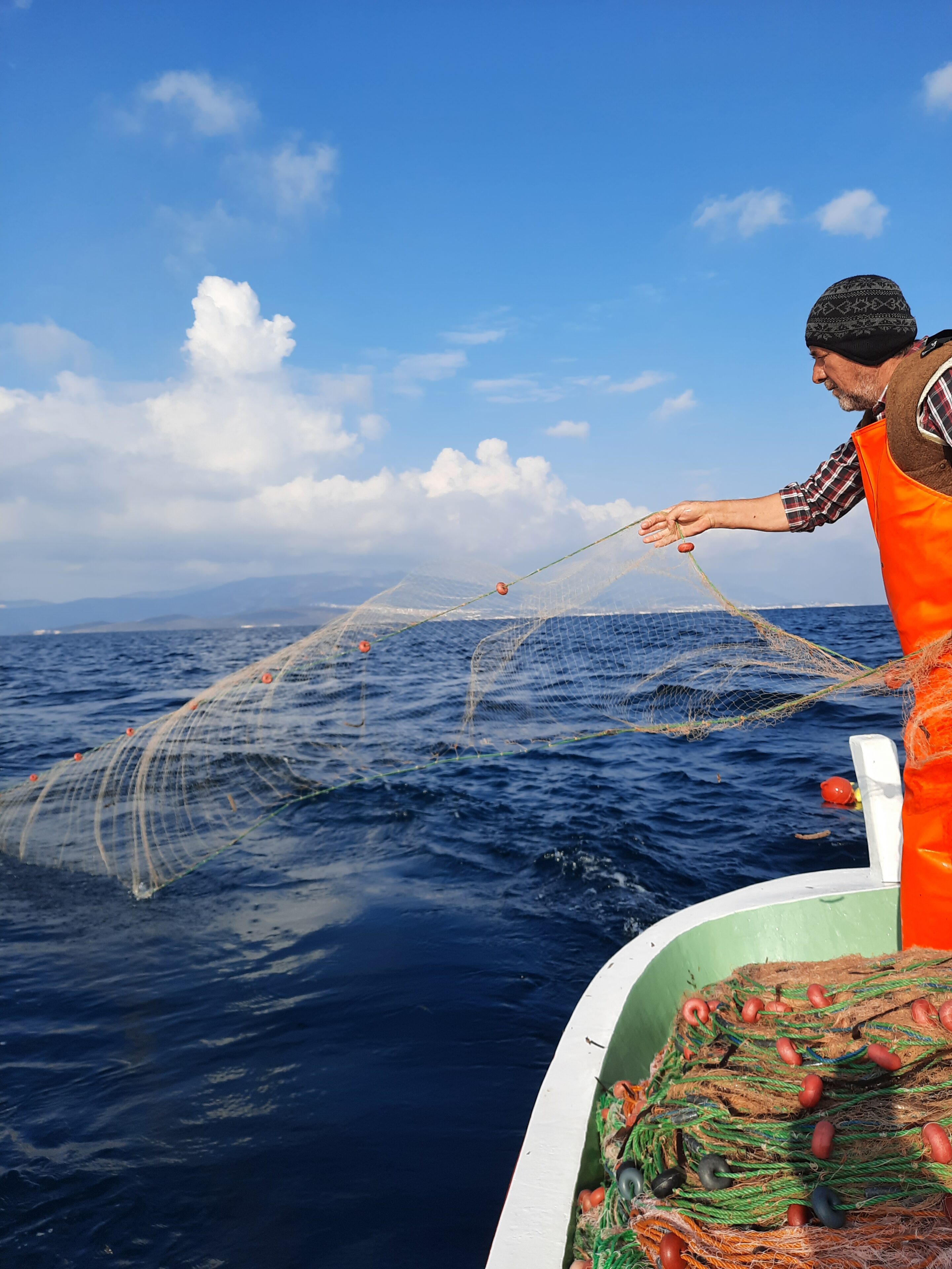
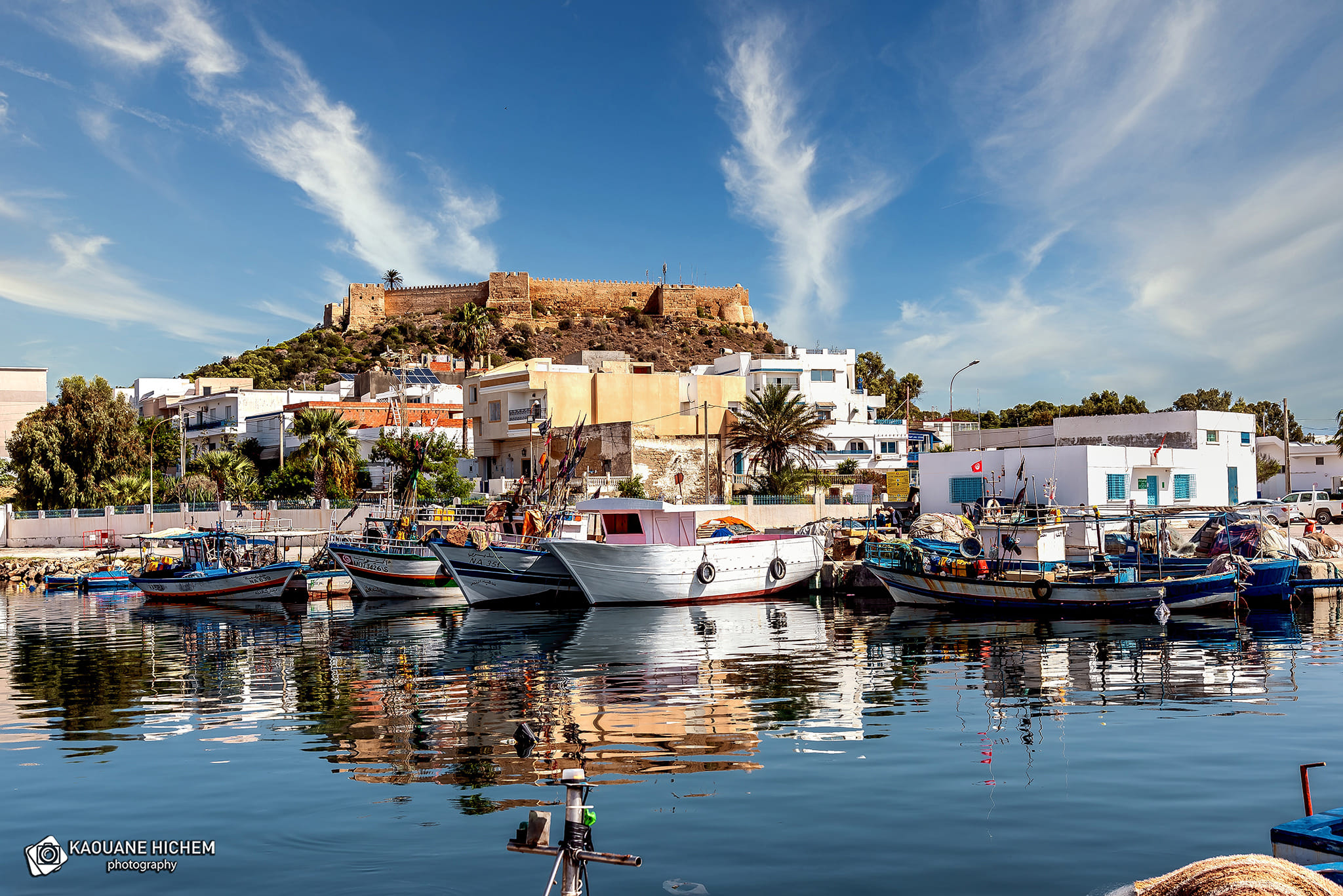
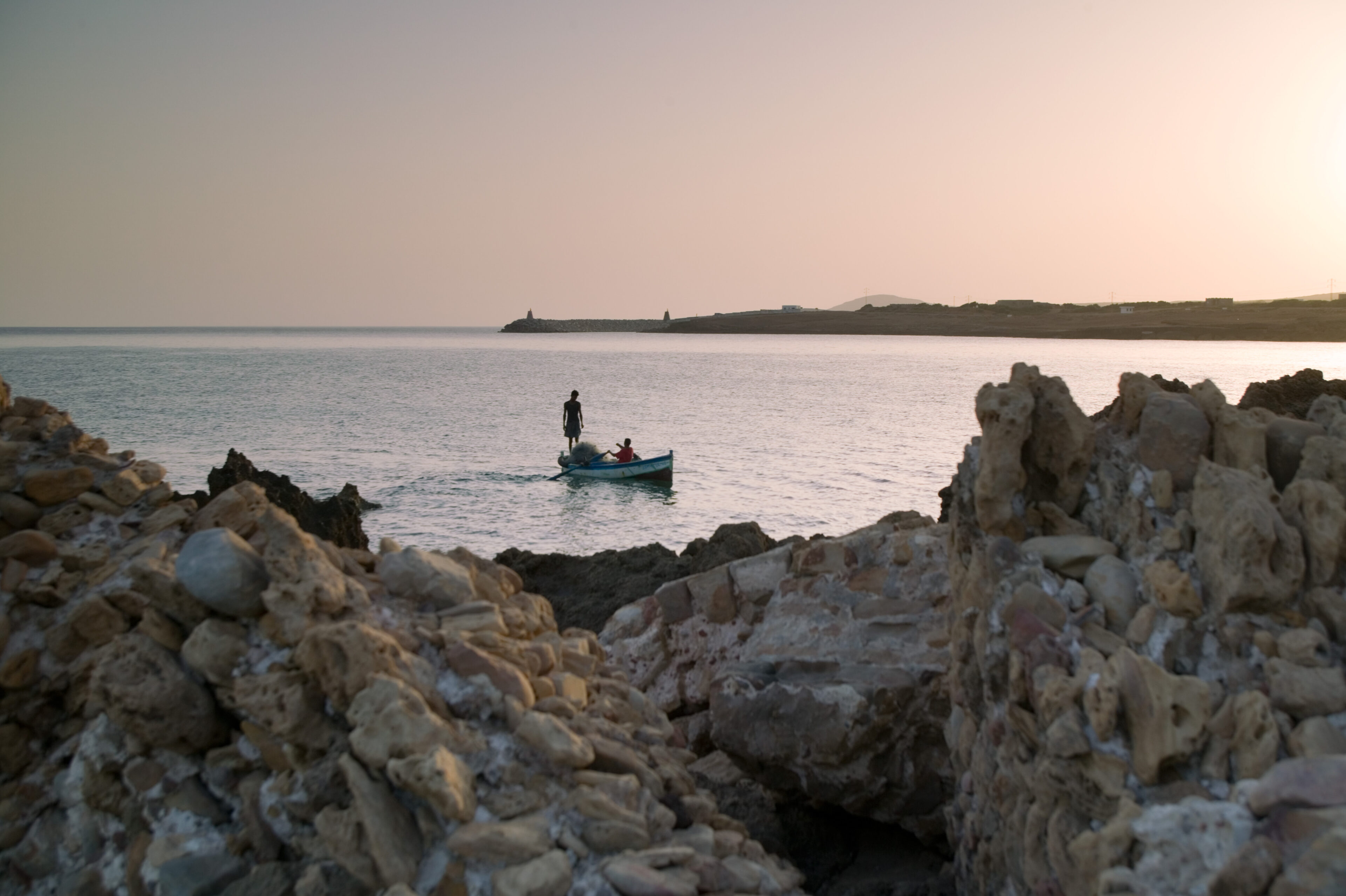
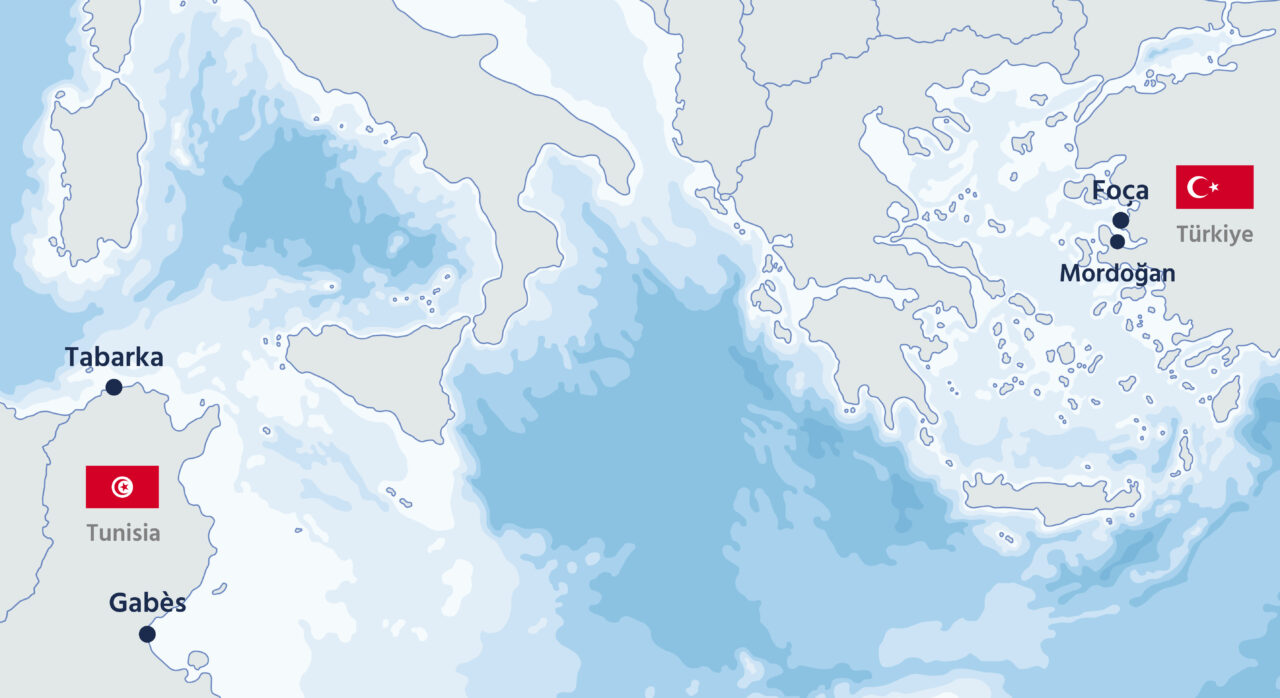
We adapt WWF’s Plastic Smart Cities concept to touristic and fisheries harbours in Türkiye and Tunisia, working with four pilot ports to develop scalable solutions.
Five Pillars for Change




Four Ports, Two Countries, One Goal
Together with harbour businesses, tourism operators, fishers and local authorities, we are building systems that work for both people and nature.
Project Partners
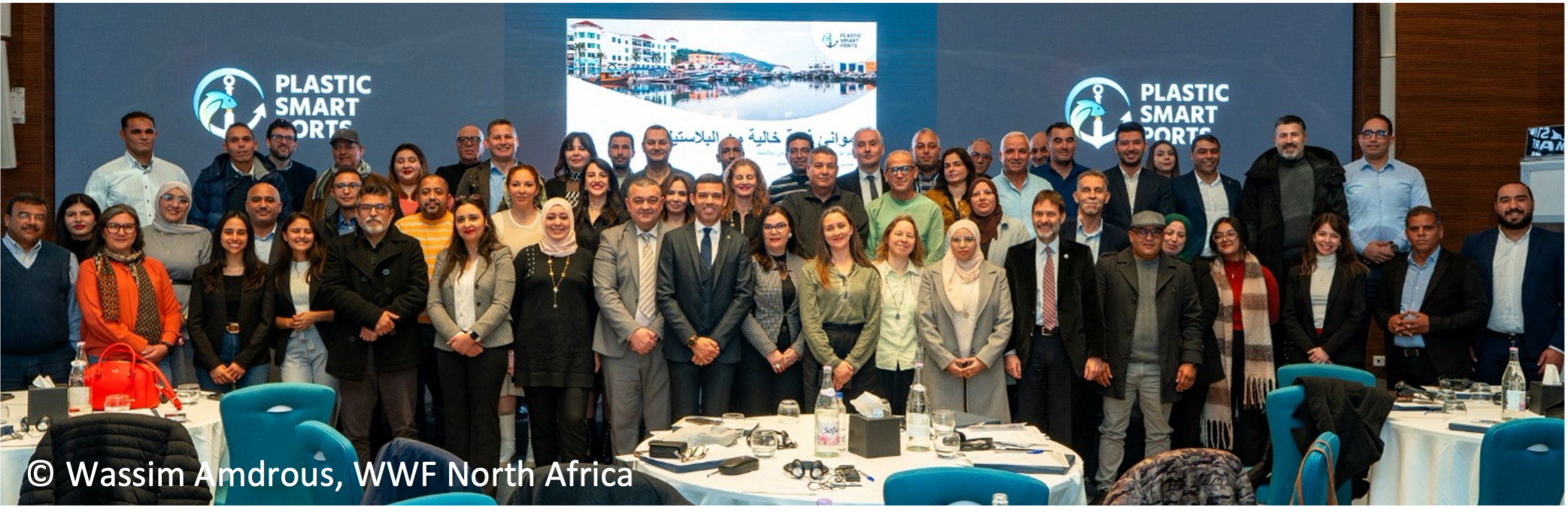
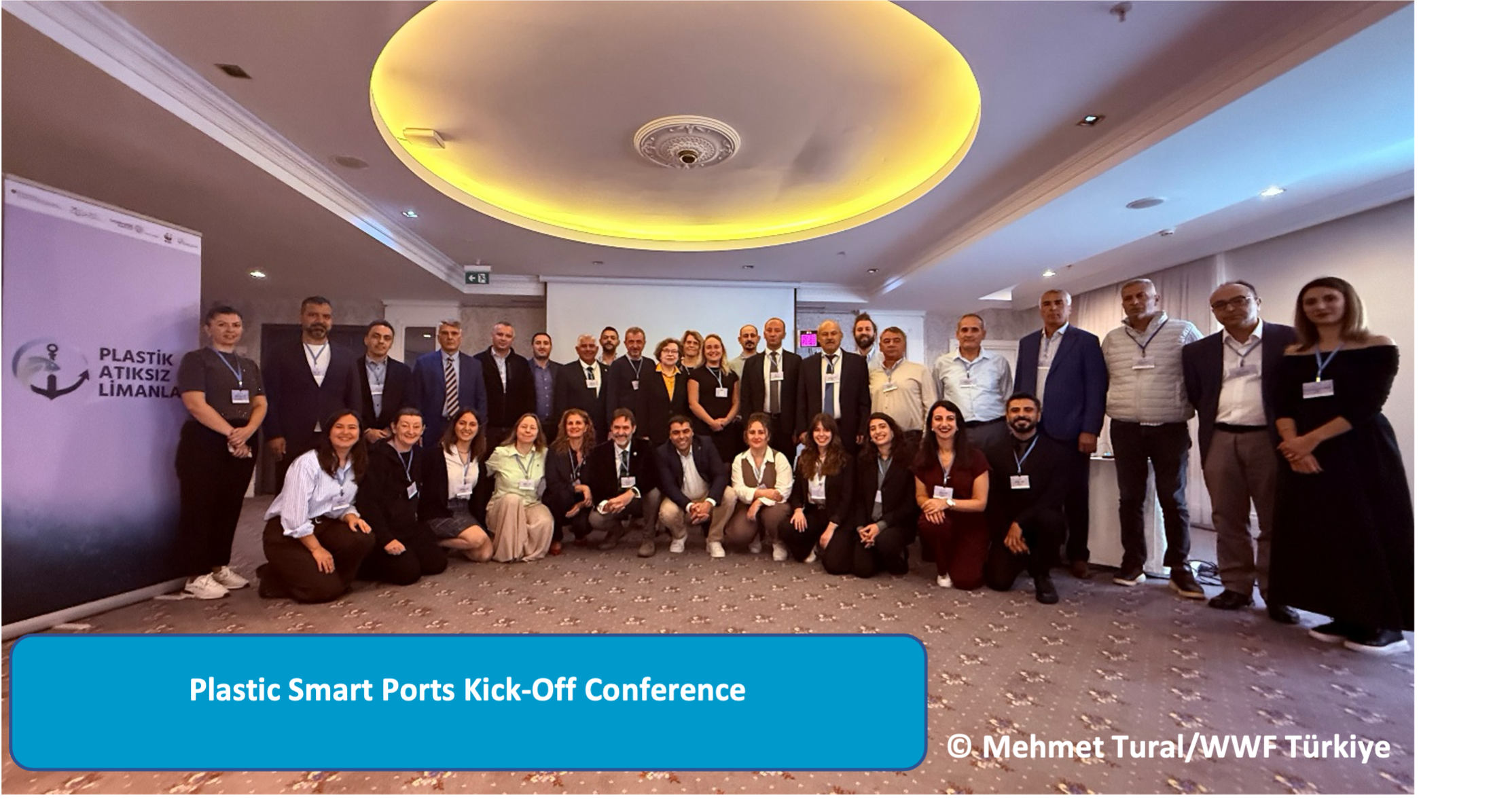
Mediterranean Plastic Smart Ports is coordinated by the Unversity of Rostock as the lead partner and the WWF Mediterranean responsible for regional communication, policy and dissemination. The implementing partners are WWF North Africa and WWF Türkiye for local implementation in Tunisia and Türkiye, respectively. Enaleia, based in Greece but operating throughout the Mediterranean, contributes expertise on setting up recycling systems for fishing gear.


Funding & Supervision
The project „Building Mediterranean Plastic Smart Ports“ is funded by the German Federal Ministry for the Environment, Climate Action, Nature Conservation and Nuclear Safety (BMUKN) on the basis of a resolution by the German Bundestag. It is granted and supervised by Zukunft – Umwelt – Gesellschaft (ZUG) gGmbH under the Marine:DeFRAG programme against marine litter.