Plastic Smart Ports

Reducing plastic leakage from touristic and fisheries ports into the Mediterranean Sea –
protecting vulnerable coastal habitats and benefiting coastal communities.

The Mediterranean Sea — from Plastic Hotspot to Driver of Solutions

The Mediterranean is a semi-enclosed sea — plastic waste entering its waters accumulates within the basin, threatening marine wildlife and ecosystems, as well as the livelihoods of coastal communities.


200,000 t

Plastic Waste per Year

Over 200,000 tonnes of plastic waste leak into the Mediterranean Sea annually.

Source: IUCN, 2020

+40%

Seasonal Litter Increase

Over 300 million tourists visit the Mediterranean each year, generating 40% more marine litter during the tourism season.

Source: WWF Mediterranean, 2019

A hazard to endangered species

Mediterranean Wildlife is affected by Entanglement and Ingestion

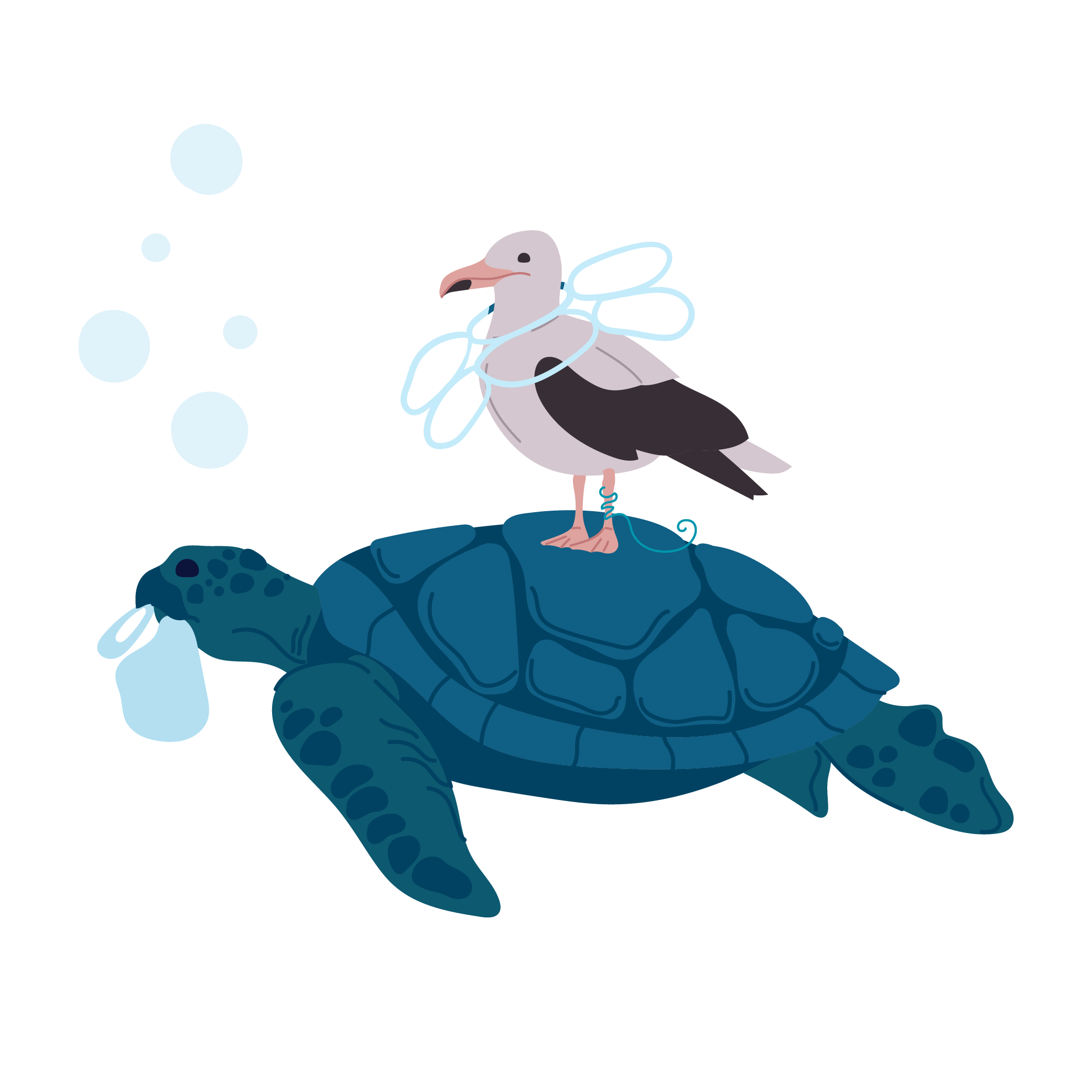
Plastic litter impacts a wide diversity of marine species, including endangered Mediterranean sea turtles, whales and dolphins, as well as seabirds and numerous fish species.

Source: Deudero & Alomar 2015, Kühn & van Franeker 2020

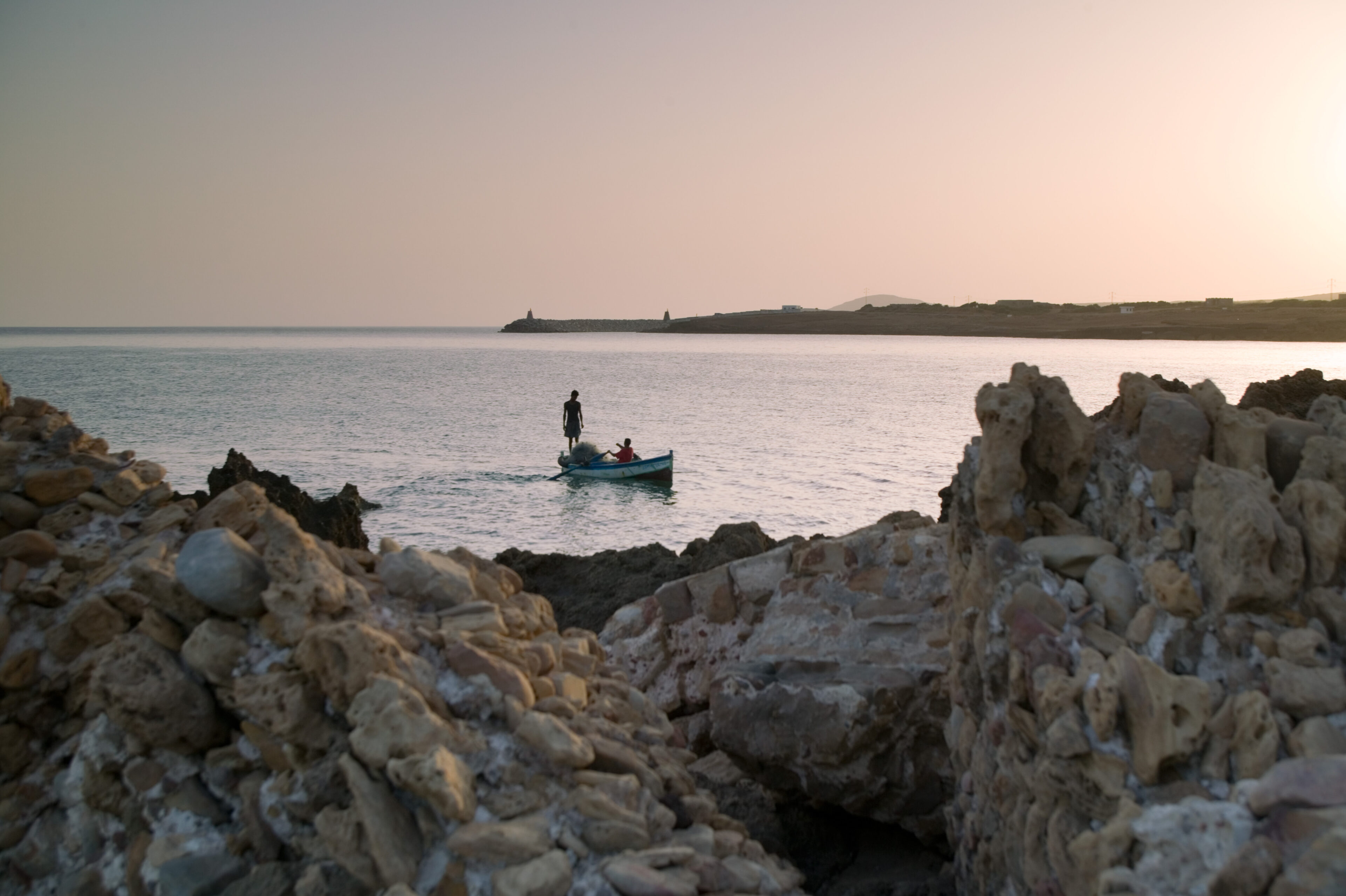
File: hero_hafen
Source: Mediterranean port Foca, © Timucin Dincer

What is a Plastic Smart Port?

A Plastic Smart Port is a harbour that implements responsible plastic waste management and adopts plastic reduction measures to prevent pollution at the source.

We adapt WWF’s Plastic Smart Cities concept to touristic and fisheries harbours in Türkiye and Tunisia, working with four pilot ports to develop scalable solutions.

Five Pillars for Change

Data driven Analysis & Monitoring

Participatory Decision-Making

Sustainable Solutions Testing

Policy & Financial Support

Scalable Circular Models

Four Ports, Two Countries, One Goal

Together with harbour businesses, tourism operators, fishers and local authorities, we are building systems that work for both people and nature.
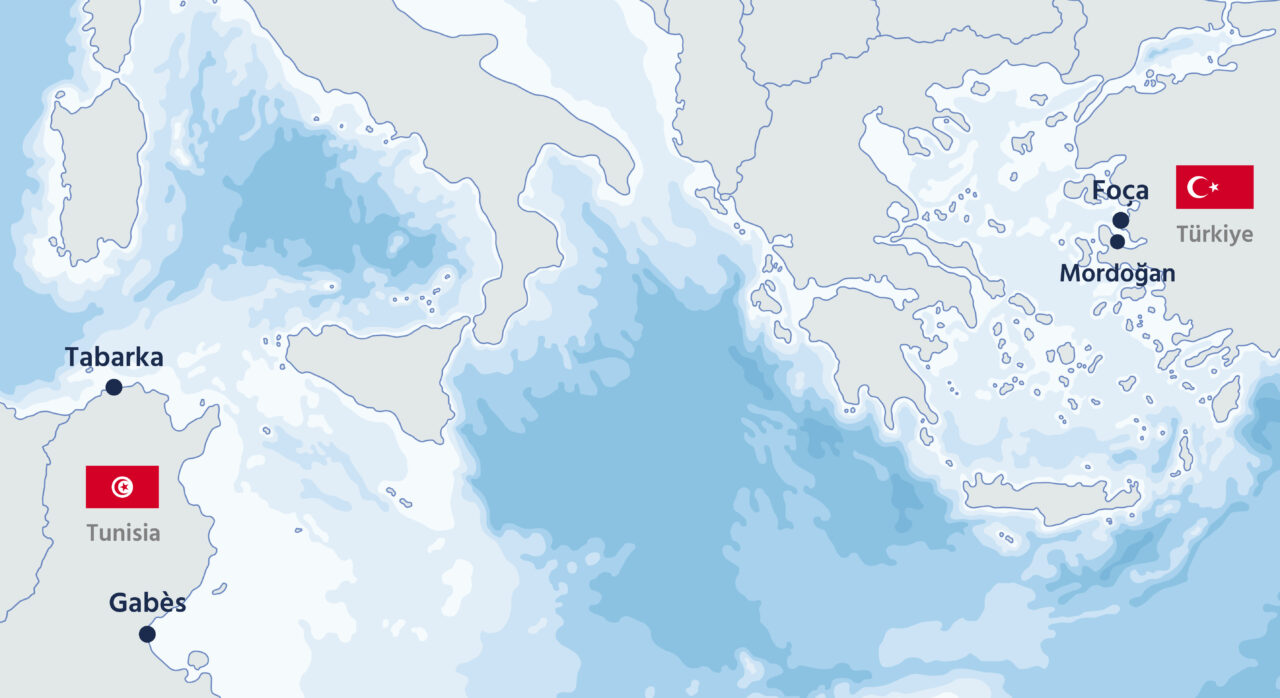
File: smart_port_grafik_karte
Source: Our Smart Ports

Project Partners

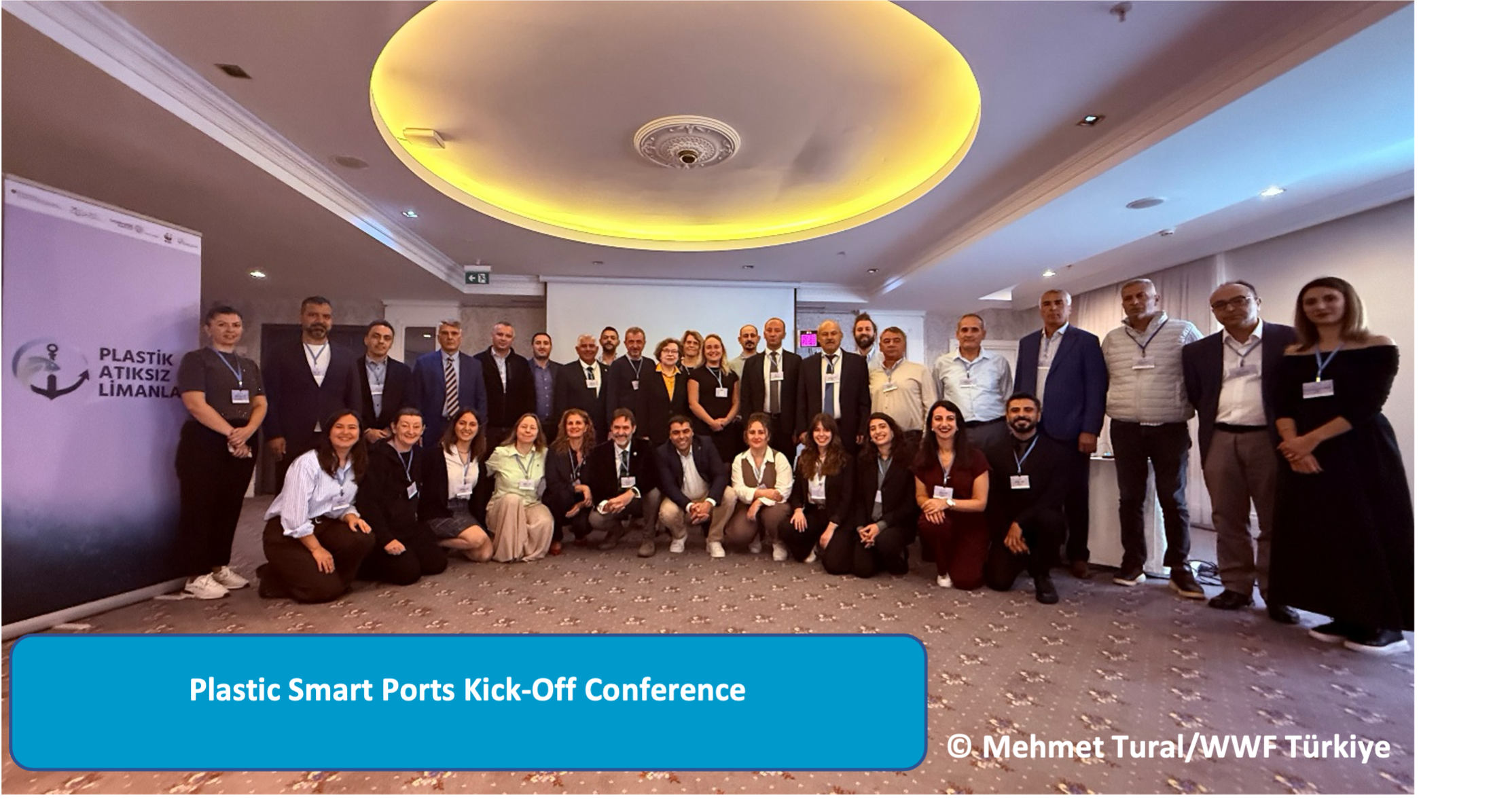
Mediterranean Plastic Smart Ports is coordinated by the Unversity of Rostock as the lead partner and the WWF Mediterranean responsible for regional communication, policy and dissemination. The implementing partners are WWF North Africa and WWF Türkiye for local implementation in Tunisia and Türkiye, respectively. Enaleia, based in Greece but operating throughout the Mediterranean, contributes expertise on setting up recycling systems for fishing gear.

News

Funding & Supervision

The project „Building Mediterranean Plastic Smart Ports” is funded by the German Federal Ministry for the Environment, Climate Action, Nature Conservation and Nuclear Safety (BMUKN) on the basis of a resolution by the German Bundestag. It is granted and supervised by Zukunft – Umwelt – Gesellschaft (ZUG) gGmbH under the Marine:DeFRAG programme against marine litter.
File: hero_hafen
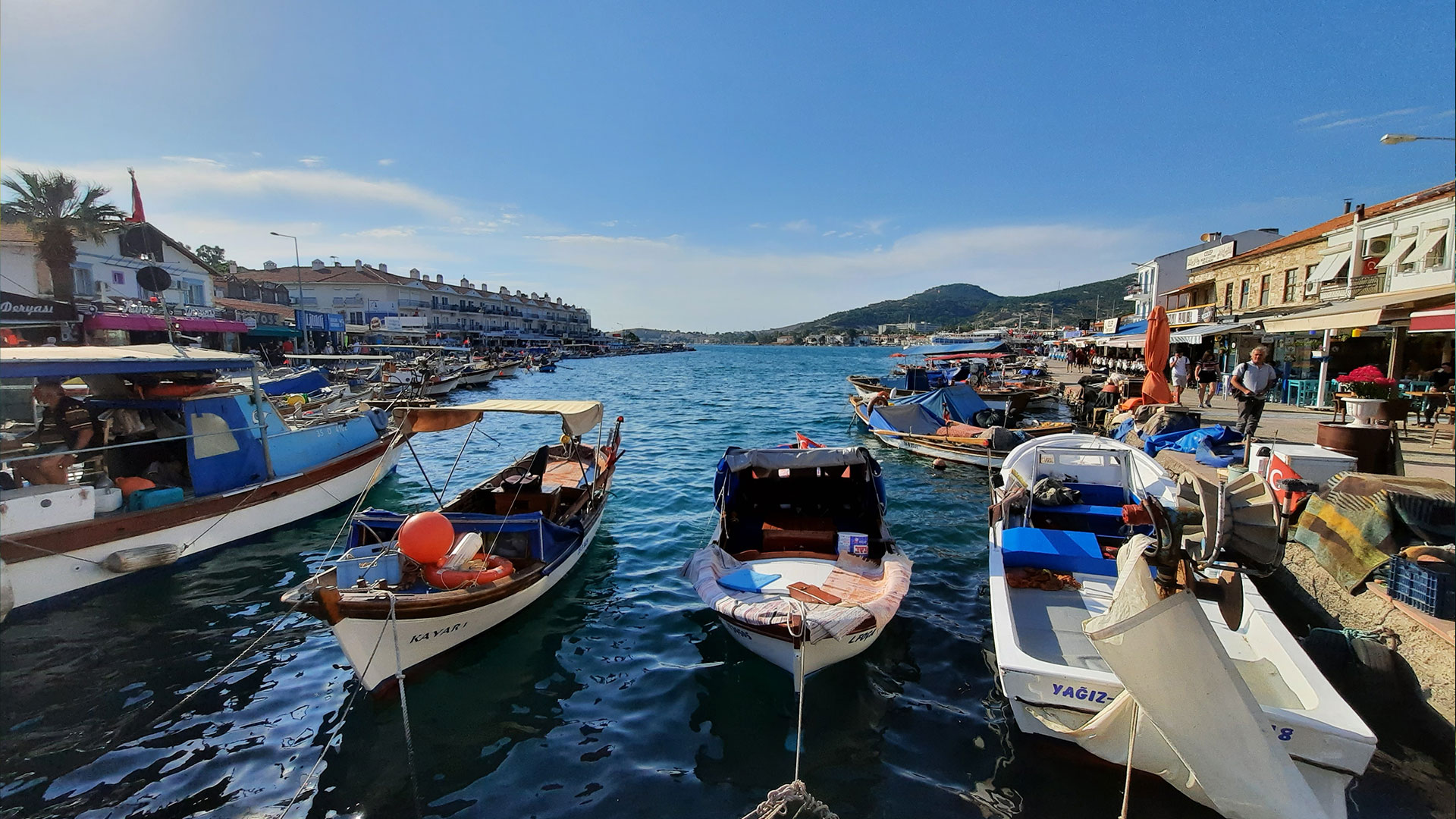
Source: Mediterranean port Foca, © Timucin Dincer

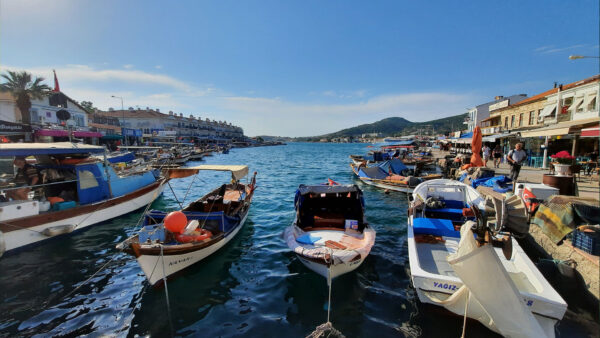
Foça

This harbour is a tourist attraction with tour boats, hotels and gastronomy businesses, while also being a centre for artisanal fisheries.
Explore Port
File: Mordogan_Yasedin (Fisher)_Timucin Dincer
Source: Mordoğan Fisher, © Timucin Dincer

MORDOĞAN

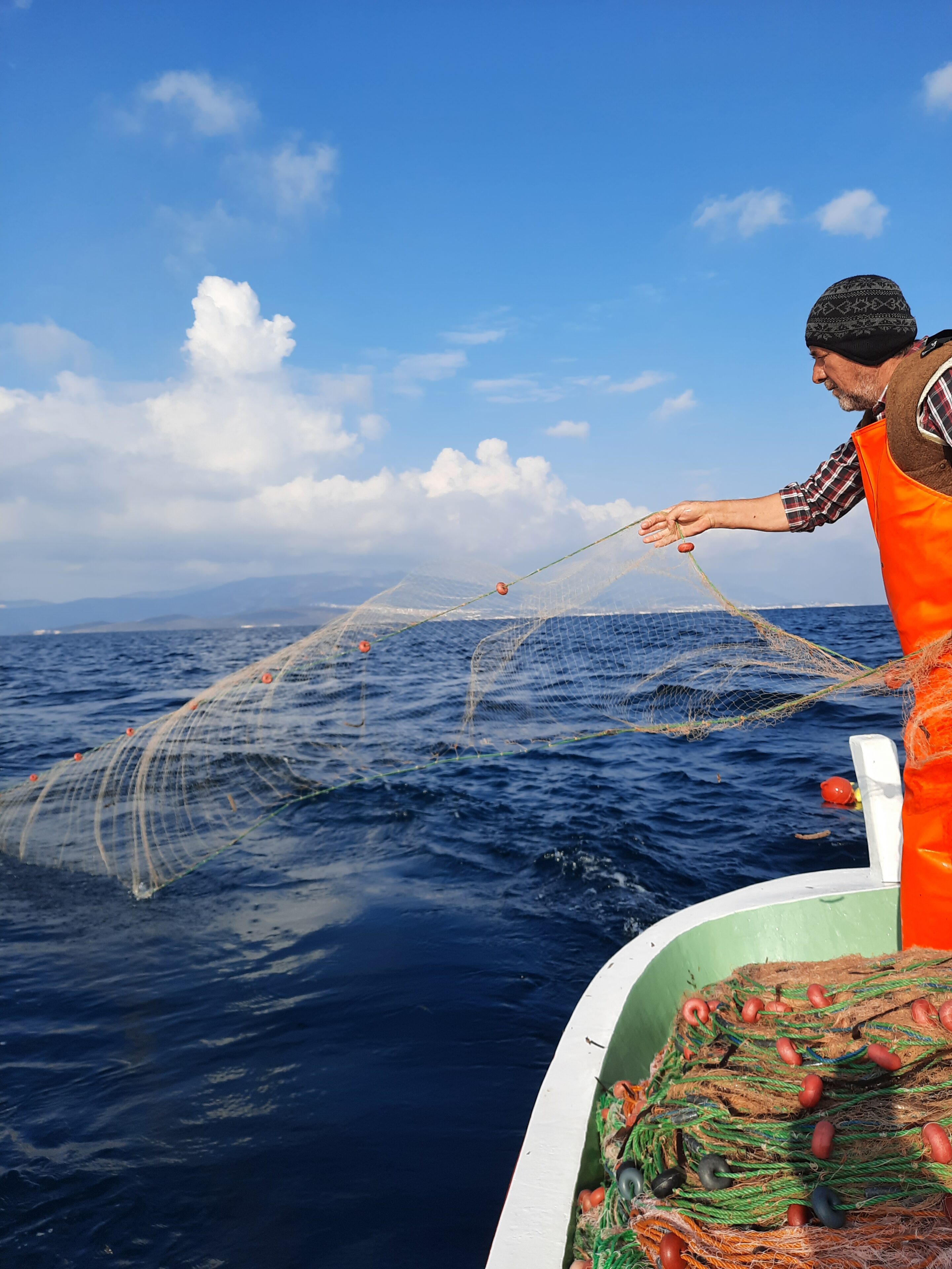
This artisanal fisheries hub also serves as a tourist attraction, with a community supporting sustainable marine and coastal environments.
Explore Port
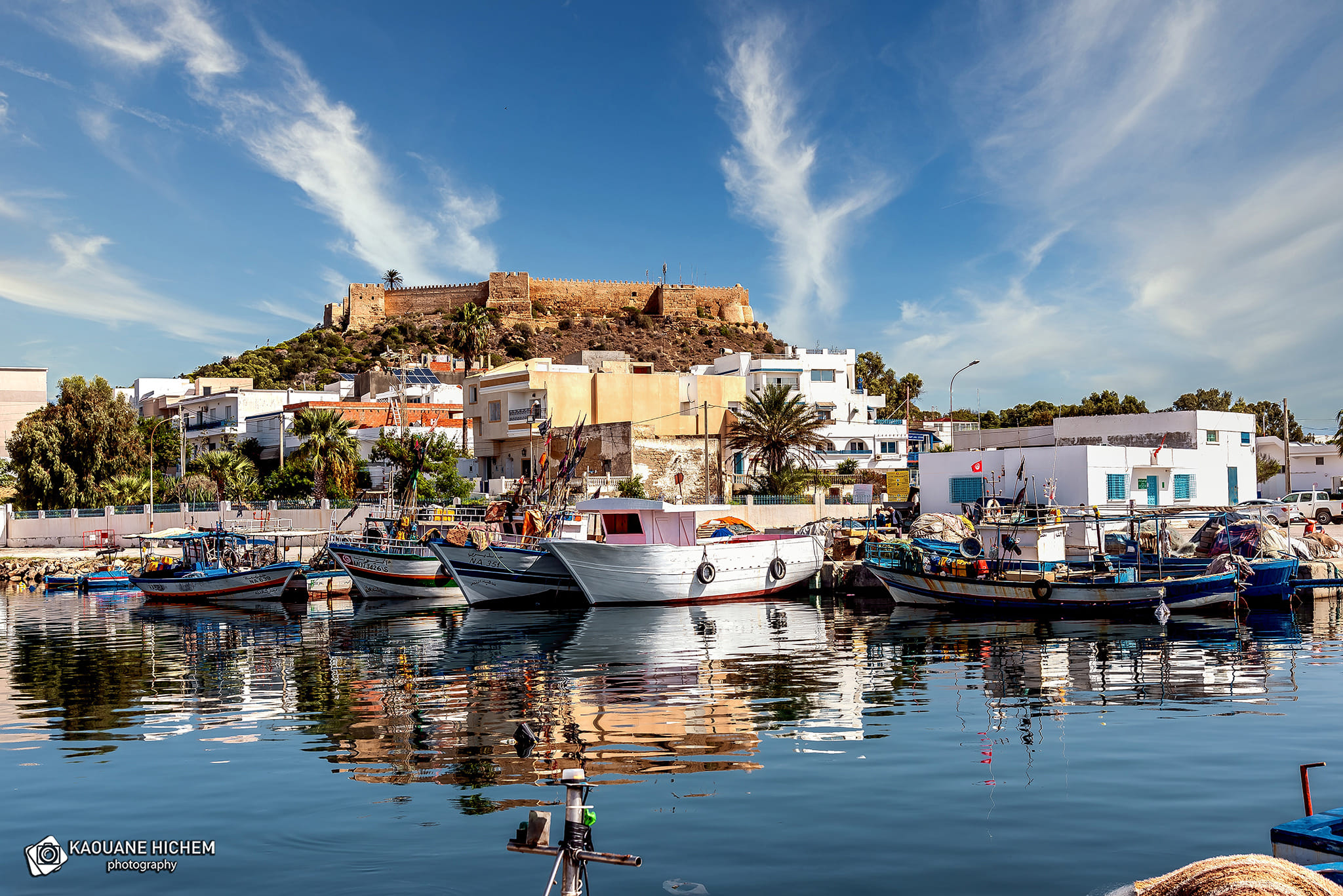
File: TabarkaPort_2023_c_KaouaneHichem_permission_with_credit
Source: Tabarka Port, © Kaouane Hichem

TABARKA

This picturesque harbour attractive to visitors hosts tourism and gastronomy businesses alongside a traditional fishing community.
Explore Port
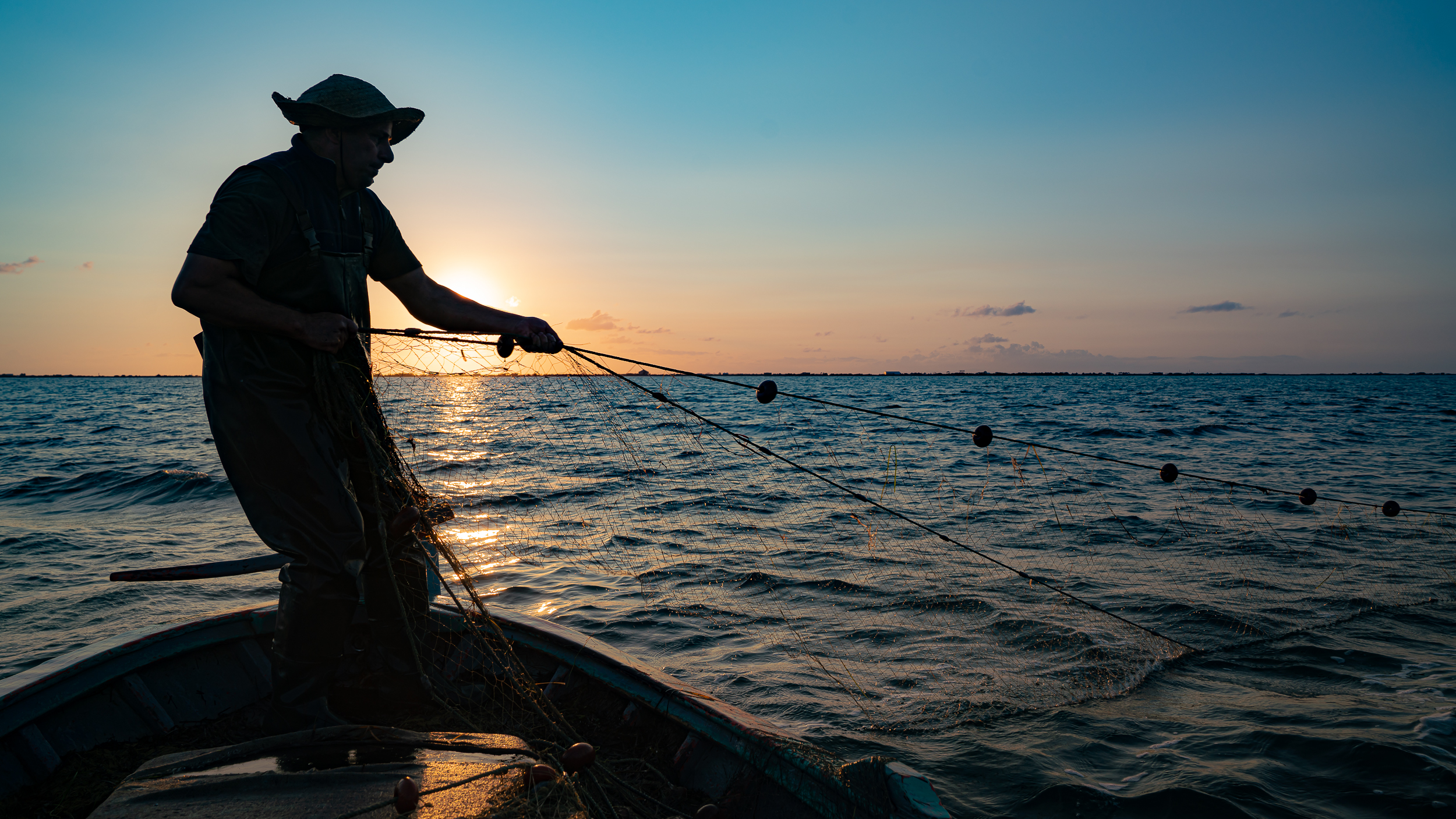
File: Fishermen at sea

GABÈS

This dedicated artisanal fishing community has a strong motivation to preserve its coastal environment and is immersed in a wider area of tourist destinations.
Explore Port