The Mediterranean Sea – from Plastic Hotspot to Driver of Solutions
KEY FACTS
The Mediterranean Sea is one of the most popular destinations for tourists from Europe and around the world. At the same time, it is one of the seas most affected by plastic pollution. Intensive human activity − driven by high levels of single-use plastic production and consumption, combined with insufficient waste management systems for plastic items and fishing gear − is transforming the sea into a dangerous plastic trap. Because the Mediterranean is a semi-enclosed sea, plastic waste entering the marine environment accumulates within the basin, posing a serious and growing threat to marine wildlife and ecosystems, a hazard to swimmers, divers and vessels while also undermining the livelihoods of coastal communities.
The IUCN estimates that every year, more than 200,000 tonnes of plastic waste leak into the sea from all Mediterranean countries and river basins, of which 77,000 tonnes originate in the coastal areas alone. With strong coastal businesses and popular tourist destinations, Türkiye and Tunisia are two countries severely affected by plastic pollution.
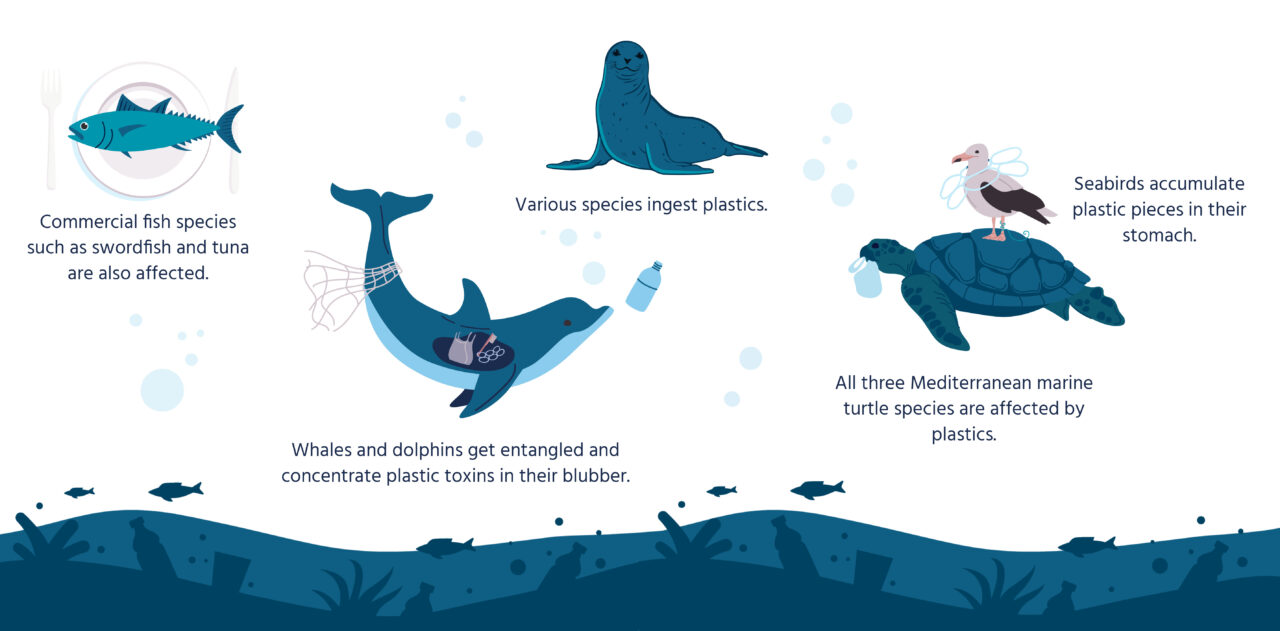
Plastic affects wildlife in numerous ways: entanglement, harmful additives, and ingestion can cause serious harm to fish, marine mammals, sea turtles and seabirds, including small organisms, such as crustaceans and corals. According to the IUCN, 1,000 tonnes of largeplastic items either float on the sea surface or in the water column, and 300 tonnes of plastic waste are estimated to be ingested by fish and marine mammals every year. Microplastics entering the food chain via seafood can accumulate in the human body, potentially with negative human health effects due to associated chemicals and pollutants they contain. More than 90% of the plastic litter entering the Mediterranean is expected to sink to the seafloor, making its recovery almost impossible.
Plastic leakage also impacts nature-based economies such as fisheries, tourism, and recreation, diminishing the quality of life for communities in polluted areas. Ecosystem disruption and biodiversity loss are aggravated by economic costs and reduced incomes, making plastic pollution both an environmental and socio-economic challenge.
The most effective way to reduce plastic pollution is to reduce the risk of plastic leakage at the source. In Plastic Smart Ports, the project team works hand-in-hand with the tourism and fisheries sectors to pilot alternative solutions.
Tourism in Action - Reducing plastic waste at the source: Reduce, Reuse, Recycle & Beyond
From scenic boat tours and diving adventures to fresh seafood and local hospitality, tourism fuels vibrant coastal economies. Every year, over 300 million tourists visit the Mediterranean region. This comes at a cost. Especially during high season, plastic leakage can increase by up to 40%. Take-away food and drinks often rely on single-use plastic items:
- beverage cups
- plastic straws
- food containers and cutlery
- PET bottles
- snacks & sweets packaging
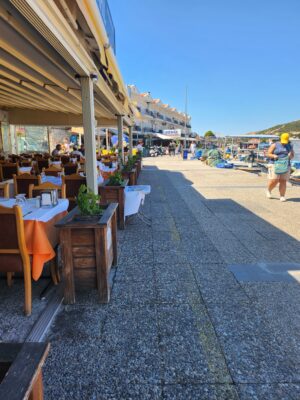
Plastic Smart Ports applies a “3R and beyond” approach across land- and sea-based service providers (restaurants, cafés, tour vessels, coupling Reduce, Reuse and Recycle (3R) with circular-economy strategies and behaviourally informed interventions.
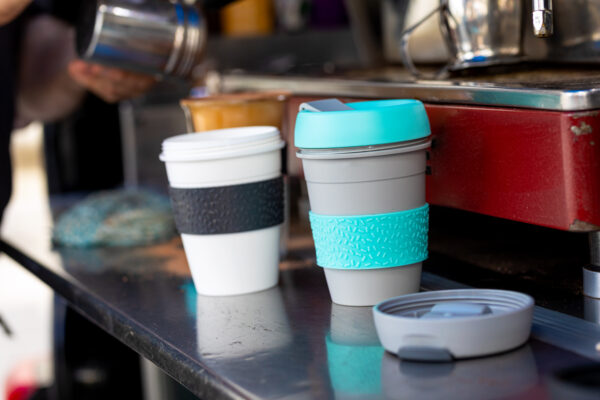
The tourism sector, gastronomy businesses and tour operators in ports are drivers for solutions against single-use plastic leakage.
In Plastic Smart Ports, we are turning the tide on plastic pollution by:
- Promoting durable, reusable alternatives (cups, dishes, straws, cutlery) and water and beverage refill systems for gastronomy services;
- testing compostable solutions to replace single-use plastics (e.g., food containers);
- improving waste separation and recycling to divert plastics from landfill and reduce the risk of leakage into nature;
- promoting training for local tourism operators;
- Increasing citizens’ and tourist’s information on single-use plastics impact.
Port businesses can raise awareness and promote reuse/recycling and non-plastic alternative solutions towards their guests, enabling visitors to be part of actions for a cleaner marine environment.
Fishing for solutions - Tackling plastic loss in fisheries
Fishing is a key source of income for local communities, and a valuable commodity for visitors., Both industrial and artisanal fisheries contribute to marine plastic litter. Harsh weather conditions, vessel collisions with passive gear, gear snagging on the rocky seafloor and the absence of a proper waste management system for used fishing gear all contribute to gear loss.
By design, abandoned, lost, or otherwise discarded fishing gear can pose a serious threat to marine life and habitats through entanglement, smothering and microplastic pollution. Polystyrene fish boxes, commonly used to store and transport seafood, often break during operations, scattering debris that adds to microplastic pollution.
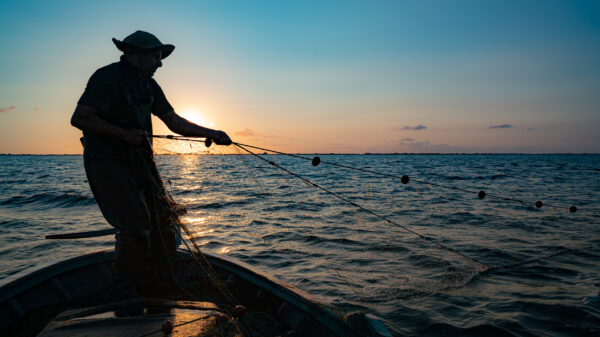
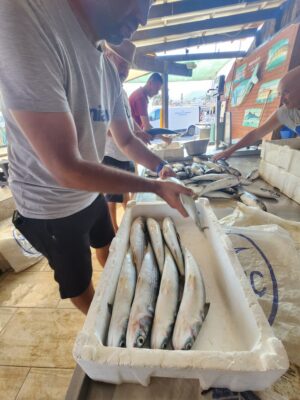
In Plastic Smart Ports, we work together with artisanal fishers to reduce plastic waste from fisheries by:
- establishing a collection and sorting system for end-of-life fishing gear to enable gear recycling;
- testing innovative solutions such as biodegradable fishing nets and gear marking systems;
- enhancing methods for ghost gear identification and retrieval;
- promoting reusable and durable packaging for fish storage and transport.
Stopping plastic leakage at the source
Removing plastics from the marine environment is costly and highly inefficient. At the surface, removing plastic is not technically feasible over large areas and removal might negatively impact small and large organisms and seafloor habitats. At the deeper seafloor, no technologies exist today to remove plastic items systematically, and the ecological impact of such activities is also unknown. Lost fishing gear has one of the most severe impacts on marine wildlife: Globally, scientists find that 71% of reported entanglements in plastic items are caused by ropes and netting, likely related to derelict fishing gear (Gall & Thompson 2015). Of all known seabird species, at least 25% are affected by entanglement, as well as 40-45% of all marine mammal species and all 7 sea turtle species (Gall & Thompson 2015, Kühn & van Franeker 2020).
If the plastic influx is not stopped, larger items will accumulate in all marine compartments and continue to fragment into smaller meso- and microplastics. Already today, fin whales and basking sharks in the Mediterranean are contaminated in their blubber and muscle tissue with additives such as phthalates, Bisphenol A and other chemicals leaking from plastics (Fossi et al. 2014). Some of these chemicals are known endocrine disruptors affecting the hormone system, growth and reproduction of marine species. With 18% of tuna and swordfish containing plastic debris in their intestines, some of these advert effects are unavoidably ending up on human plates.